On campus, vehicle speed management is far from trivial. Whether in primary and secondary schools, universities, or training bases and other educational sites, traffic volume may not match that of urban arterial roads. However, the population consists largely of students, many of whom are young children. Once a speeding‑related accident occurs, the consequences are often irreversible. Scientific speed‑limit setting, effective early‑warning mechanisms and accurate recording have long been key concerns for campus administrators.
In the past, many schools relied on manual vehicle interception or simply posted speed‑limit signs without practical speed‑measuring and capture equipment. This led to weak enforcement, low violation costs and frequent speeding incidents. Today, with the widespread adoption of internal‑road speed‑monitoring systems, this situation is gradually improving.
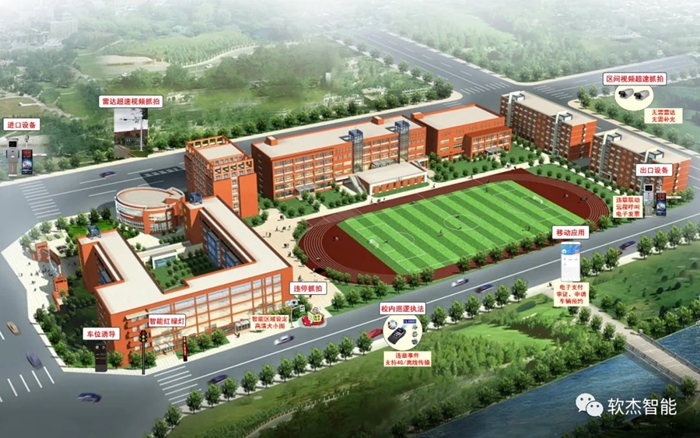
What Common Parking Issues Arise on Campus?
1. Time‑Dependent Fluctuations in Inbound‑Outbound Traffic. Campus motor and non‑motor vehicle traffic features high daytime parking volumes and low nighttime volumes. Rush‑hour surges at commuting times regularly trigger congestion.
2. Insufficient or Missing Parking Spaces. Faculty and staff often park alongside roadways or in off‑campus lots. This creates inconvenience for employees while consuming public campus resources.
3. Lack of Motor‑Vehicle Parking Equipment and Signage. Rampant disorderly parking obstructs campus roadway circulation.
4. Adequate Spaces yet Incomplete Parking Governance Systems. Parking management remains chaotic, for instance through mixed parking of motor vehicles and bicycles. This disturbs campus traffic and introduces substantial safety hazards.
5. Outdated Parking‑Resource Management Methods
On‑campus parking lots and underground garages operate as isolated information silos. No static‑traffic big‑data platform exists to orchestrate parking resources.
6. Low Overall Utilization of Parking Assets
Some zones have vacant spaces while other areas see vehicles spilling onto roadway parking bays, dragging down overall parking‑resource efficiency.
7. Incomplete Management Measures
Campuses lack comprehensive, systematic rules for monitoring and penalizing illegal parking, failing to satisfy real‑world parking‑management demands.
8. Poorly‑Designed Parking Facilities and Layouts
Parking planning lacks precise big‑data support,making macro‑level holistic parking‑space evaluation difficult.
How to Mitigate Campus Traffic Problems
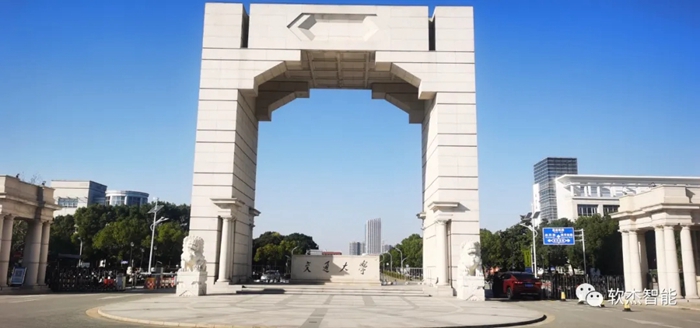
1. Rational and Coordinated Construction & Planning. Requirements include: 1. Separate zones for moving and parked vehicles; complete traffic signage; define clear travel lanes and parking zones and prohibit disorderly parking. 2. Standardize parking‑area management to ensure vehicles park neatly within bays. 3. Install speed bumps on driving routes to lower vehicle speeds and reduce traffic‑accident risks.
2. Pedestrian‑Vehicle Separation Governance. Deploy parking guidance and leverage license‑plate recognition for real‑time monitoring of on‑campus and off‑campus vehicles, supporting effective traffic dispatching.
3. Deploy Intelligent Parking HardwareUpgrade parking‑lot intelligence with devices such as license‑plate recognition terminals. Advanced technologies govern vehicle access while distinguishing internal versus external vehicles,rendering campus‑vehicle and traffic management safer and more convenient.
Softjet Intelligent Road Speed‑Measurement System Integrated Solution
Softjet Intelligent has focused on smart campus‑traffic for more than ten years, serving nearly 100 universities including many “985” and “211” institutions to safeguard faculty‑student traffic safety. The Softjet smart‑traffic platform adopts a global perspective. Considering real‑world campus‑environment requirements alongside technical and economic factors, it delivers an overall architecture matching campus‑business workflows. It supports unified‑identity‑authentication integration and cross‑system data interconnection to eliminate information silos and build a safer, more user‑friendly campus‑traffic environment. Softjet Intelligent offers dedicated campus non‑motor‑vehicle speed‑measurement and violation‑capture solutions for higher‑education sites.
As an innovator specializing in internal‑road speed‑monitoring systems, we deliver a complete solution tailored for campus scenarios. Integrating radar speed detection, snapshot capture and voice‑based early‑warning, the system accurately identifies and snapshots speeding vehicles without disrupting normal traffic. Linked on‑site alarm hardware creates a closed‑loop “reminder‑recording‑handling” workflow, greatly improving the scientific rigor and deterrence of campus‑vehicle governance.
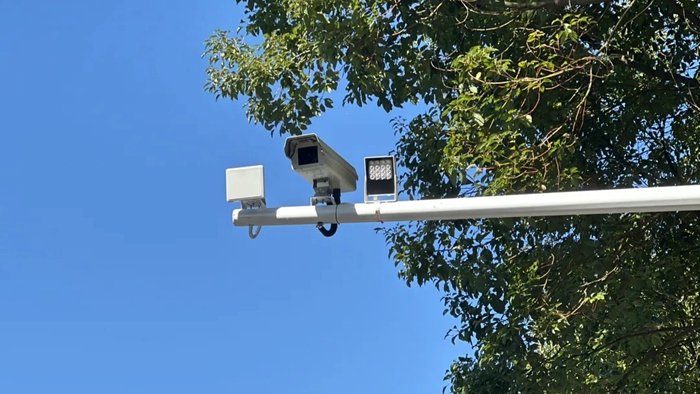
1. Unique Characteristics of Campus Speed‑Monitoring Scenarios
Compared with urban roadways, industrial parks, mining zones and other closed‑road settings, campus roads exhibit several distinct traits:
1. Frequent Mixed Pedestrian‑Vehicle Flow plus Uncontrolled External‑Vehicle Access — Heightened Administration Complexity
Risk levels rise especially around teaching buildings, dormitory blocks and dining halls, where large student crowds follow unpredictable walking patterns.
2. Limited Situational Awareness Among Students and Prevalent Speeding — Elevated Accident Risks
Younger students possess insufficient safety awareness and poor emergency‑response capabilities.
3. Human‑Centered Governance Philosophy — Difficulty Gathering Valid Evidence for Violation Rectification
Campus administration must balance safety with humane treatment and cannot adopt overly harsh enforcement tactics.
Traditional static speed‑limit signage or manual patrols therefore fail campus speed‑monitoring requirements. Softjet Intelligent’s campus‑optimized speed‑measurement system is built from deep domain insight into campus‑site conditions.
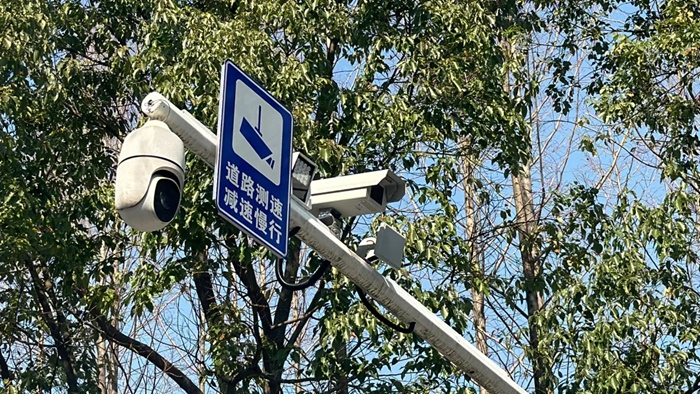
2. Diversified Hardware Configurations for Zonal Adaptation
Softjet Intelligent’s campus speed‑measurement solution avoids a “one‑size‑fits‑all” hardware approach. Instead it flexibly deploys hardware matching distinct campus‑road characteristics. Examples include:
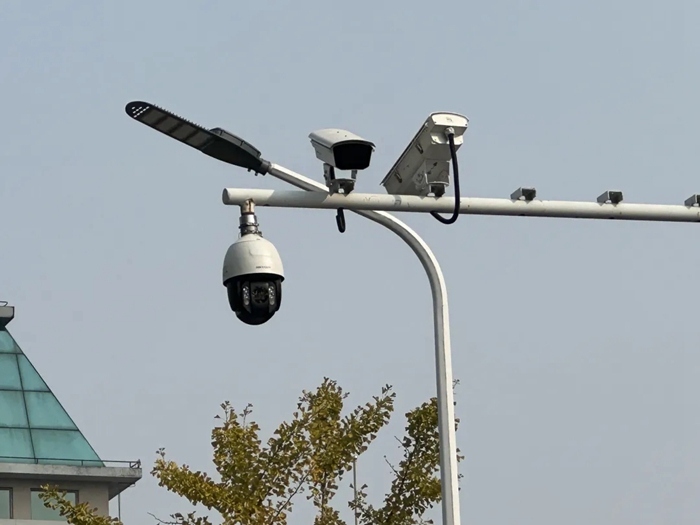
1. Radar Speed‑Capture Systems for Main Arteries
Delivers round‑the‑clock speed detection on campus primary roads and auto‑snapshots speeding vehicles. Can integrate with existing campus surveillance infrastructure.
2. Solar‑Powered Speed Displays at Campus Gates
No cabling required; low‑power hardware suited for speed‑warning zones at gateways. Shows real‑time vehicle speeds plus audio voice alerts.
3. Portable Temporary Speed Monitors for High‑Foot‑Traffic Zones
High mobility allows re‑deployment for morning‑evening rush hours or special‑event periods.
4. Logistics‑Service‑Corridor Speed‑Monitoring Integration
Aggregates datasets and manages speeding records to boost administrative efficiency.
This requirement‑driven mixed‑hardware deployment improves speed‑limit precision across campus while lowering overall system‑deployment costs.
3. Data‑Driven Governance for Higher Administrative Efficiency
<p style="margin-top: 0px; margin-bottom: 24px; padding: 0px; box-sizing: border-box; text-align: justify; text-wrap-mode: wrap; background-color: rgb(255, 255, 255); color: rgba(0, 0, 0, 0.9); -webkit-tap-highlight-color: rgba(0, 0,
```